From 8 to 12 June, Mrs Kathleen Edmond had the privilege of participating in the Maritime English Instructor Training Course (IMO MEITC) in Sri Lanka. The programme was designed to enhance instructors’ knowledge, skills and confidence in delivering effective Maritime English training in accordance with the standards of the International Maritime Organization (IMO).
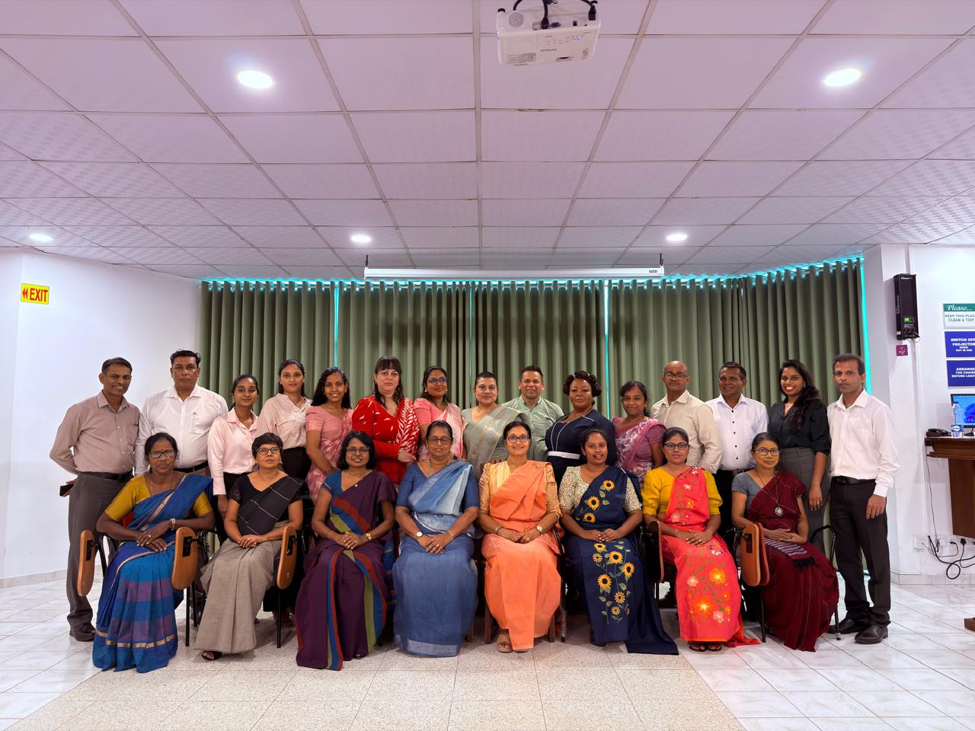
The course brought together maritime educators with diverse teaching backgrounds and provided a valuable opportunity to explore best practices in Maritime English instruction. Through a combination of theoretical sessions, collaborative learning activities, self-reflection exercises and practical applications, participants gained a deeper understanding of contemporary approaches to teaching Maritime English.
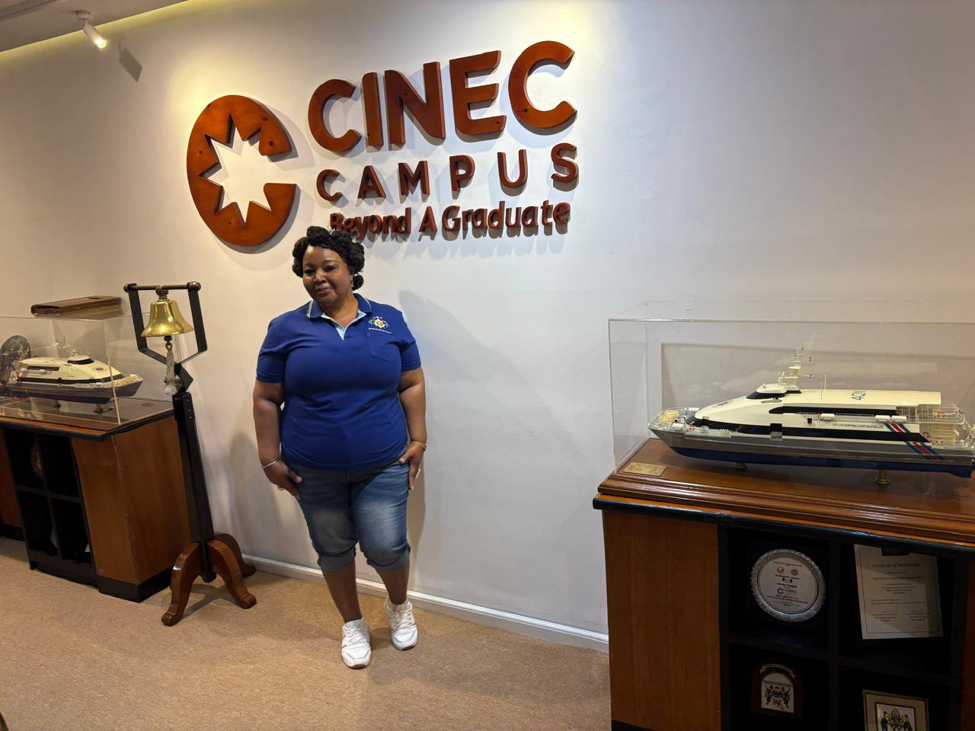
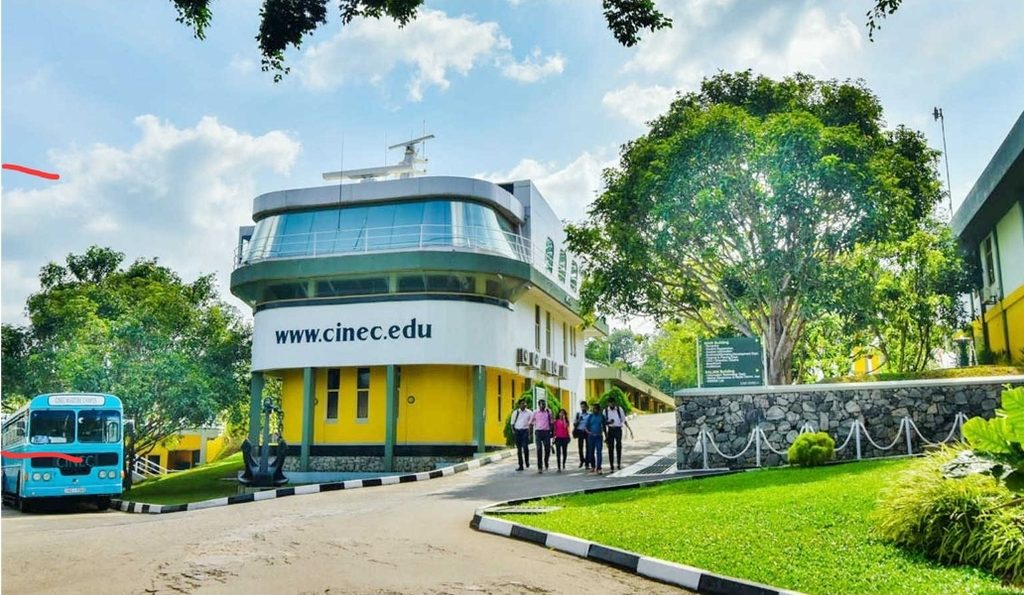
The first four days of training were conducted at Win-Stone Hotel University in Nugegoda, while the final day took place at CINEC Campus in Malabe, where participants experienced practical learning activities using maritime simulators.
A Learner-Centred and Interactive Experience
From the outset, the training adopted a highly interactive approach. Participants were encouraged to share their expectations and reflect on their experiences as instructors, creating an engaging learning environment that promoted discussion and collaboration.
One of the course’s greatest strengths was the opportunity to learn from fellow educators. Although all participants were involved in maritime education, their teaching contexts varied significantly, providing valuable insights into different instructional challenges and solutions. These exchanges highlighted the importance of adapting teaching approaches to meet the specific needs of learners and institutions.
A major focus of the training was the IMO Model Course 3.17 – Maritime English, which serves as a framework for the delivery of Maritime English training worldwide.
Participants examined the structure and objectives of the model course and discussed how it can be effectively integrated into classroom practice. Emphasis was placed on developing learners’ communicative competence rather than simply teaching maritime vocabulary and grammar. This approach is particularly important in preparing seafarers to communicate effectively and safely in real operational environments.
For instructors at institutions such as the Seychelles Maritime Academy, the model course provides valuable guidance in aligning language training with the communication demands of the maritime industry.
Exploring Contemporary Teaching Approaches
Another important component of the programme was the exploration of contemporary, learner-centred teaching methodologies.
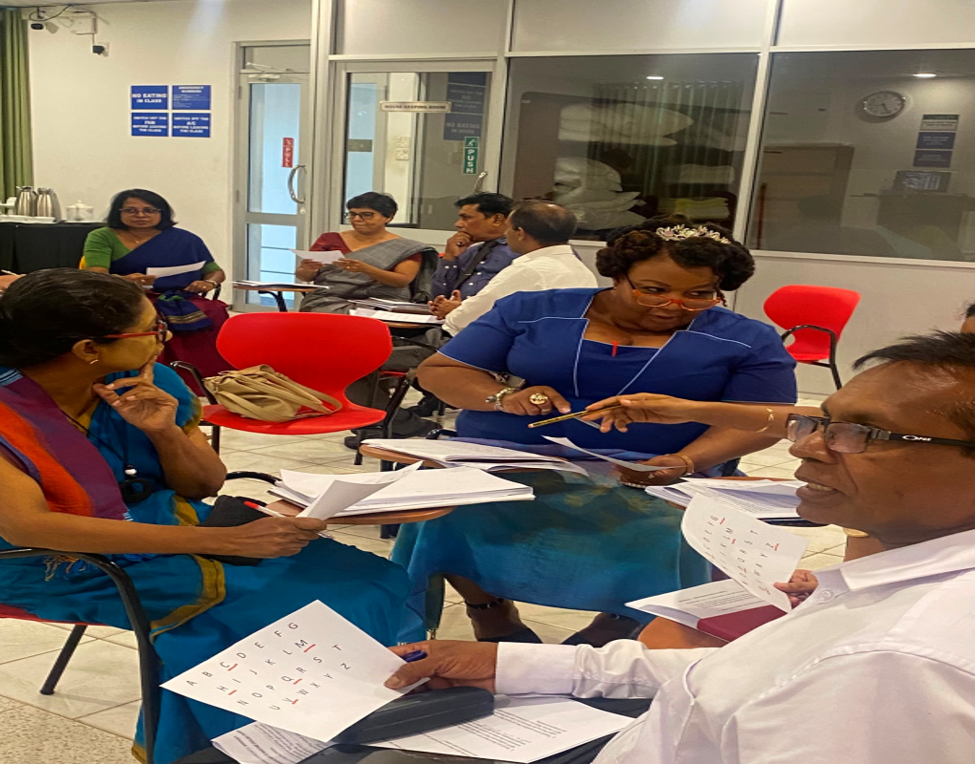
Participants completed reflective questionnaires and engaged in discussions about their own teaching practices. This encouraged instructors to evaluate how effectively they support learner participation, communication and practical language use.
The training reinforced the idea that effective Maritime English instruction should actively involve learners in the learning process. Rather than memorising terminology, learners must develop the ability to communicate confidently in realistic maritime situations.
The Value of Communicative Activities
Considerable attention was given to communicative activities and their role in language learning. Participants explored a range of techniques designed to promote speaking, listening, interaction and problem-solving in meaningful maritime contexts.
Discussions also focused on the management of pair work and group work, with instructors sharing experiences from their own classrooms. While the relatively small class sizes at the Seychelles Maritime Academy make collaborative activities easier to implement, some participants described the challenges of teaching groups of up to 100 learners.
These discussions demonstrated that effective teaching strategies must be adapted to suit different educational environments and learner needs.
Building Positive Relationships in the Classroom
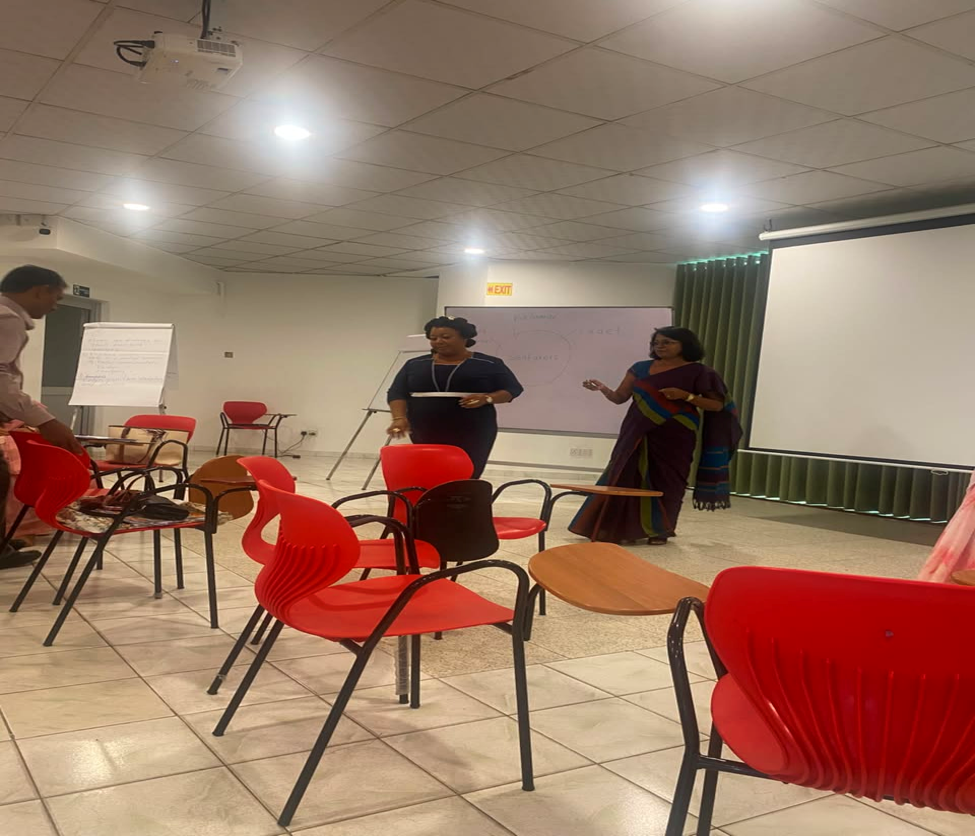
The course also highlighted the importance of building rapport with learners. Effective teaching extends beyond subject knowledge and requires creating a supportive environment where learners feel confident to participate, ask questions and learn from mistakes.
This aspect of the training reinforced the value of being approachable, supportive and responsive to learners’ needs. In Maritime English education, learner confidence is particularly important because communication skills ultimately contribute to safety and efficiency at sea.
Effective Lesson Planning
Lesson planning was another key area of focus. Participants learned how to design lessons using the IMO Model Course as a guide, ensuring that objectives, activities, resources and assessments are carefully aligned.
The training emphasised that every classroom activity should serve a clear purpose and contribute directly to the achievement of learning outcomes. Practical lesson-planning exercises also provided instructors with an opportunity to review and improve their own teaching practices.
Teaching Standard Marine Communication Phrases
The importance of Standard Marine Communication Phrases (SMCP) featured prominently throughout the course.
Participants examined methods for integrating SMCP into classroom activities and realistic maritime scenarios. Rather than treating SMCP as isolated phrases to be memorised, the training encouraged instructors to create meaningful opportunities for learners to apply standardised communication in context.
This approach reflects the critical role that SMCP plays in supporting clear communication and enhancing maritime safety worldwide.
Practical Learning Through Maritime Simulators
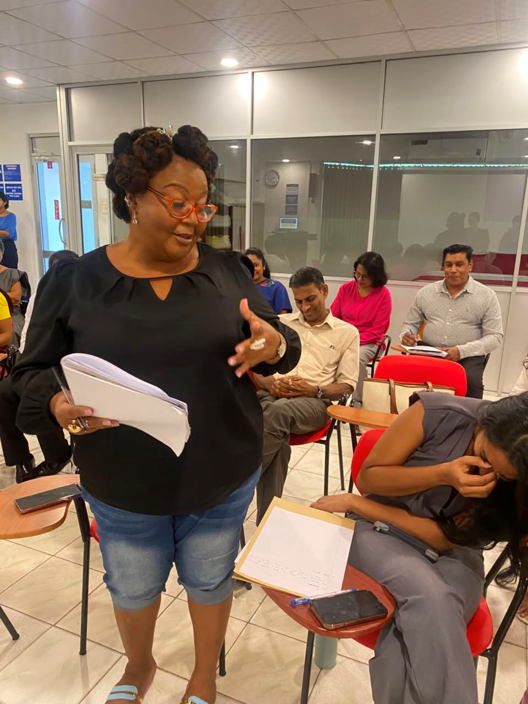
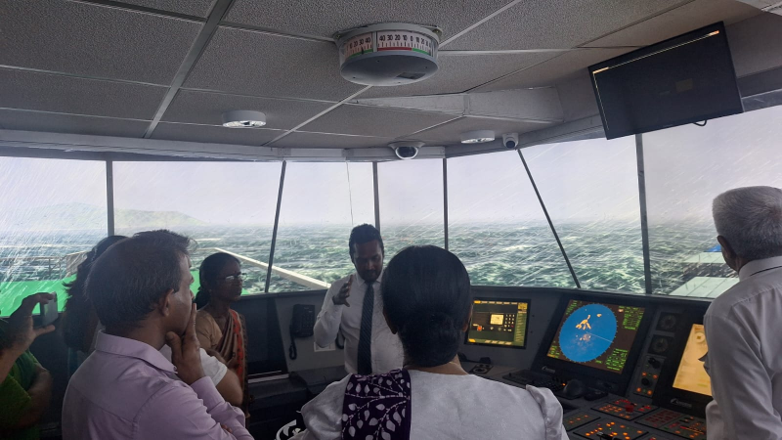
One of the highlights of the programme was the final-day visit to CINEC Campus, where participants engaged wit
h maritime simulators.
The simulator sessions provided a realistic representation of shipboard operations and demonstrated how communication functions in operational settings. This practical experience highlighted the importance of connecting classroom-based language instruction with real-life maritime situations.
For Maritime English instructors, the experience reinforced the value of creating authentic learning opportunities that prepare students for the communication challenges they may encounter at sea.
A Valuable Cultural and Professional Exchange
Beyond the academic content, the course offered a rewarding cultural experience. As the only participant from outside Sri Lanka, she was warmly welcomed by the organisers, trainers and fellow participants throughout the programme.
The opportunity to exchange ideas with local maritime educators broadened my understanding of the challenges and opportunities facing Maritime English instructors in different educational settings. Informal discussions during breaks and group activities were equally valuable in fostering professional connections and sharing teaching experiences.
The experience was further enriched by Sri Lanka’s hospitality and cuisine, which added a memorable cultural dimension to the training.
Looking Ahead
Participation in the IMO Maritime English Instructor Training Course has strengthened my confidence, enhanced my professional knowledge and broadened my perspective as a Maritime English instructor.
The knowledge and skills gained will support my ongoing work at the Seychelles Maritime Academy, particularly in developing more communicative, practical and learner-centred lessons. The course has also reinforced the importance of integrating realistic maritime scenarios and Standard Marine Communication Phrases into teaching practice.
Overall, the training was both professionally and personally rewarding. I returned with new ideas, practical strategies and a renewed appreciation of the vital role Maritime English plays in promoting effective communication, operational efficiency and safety at sea.
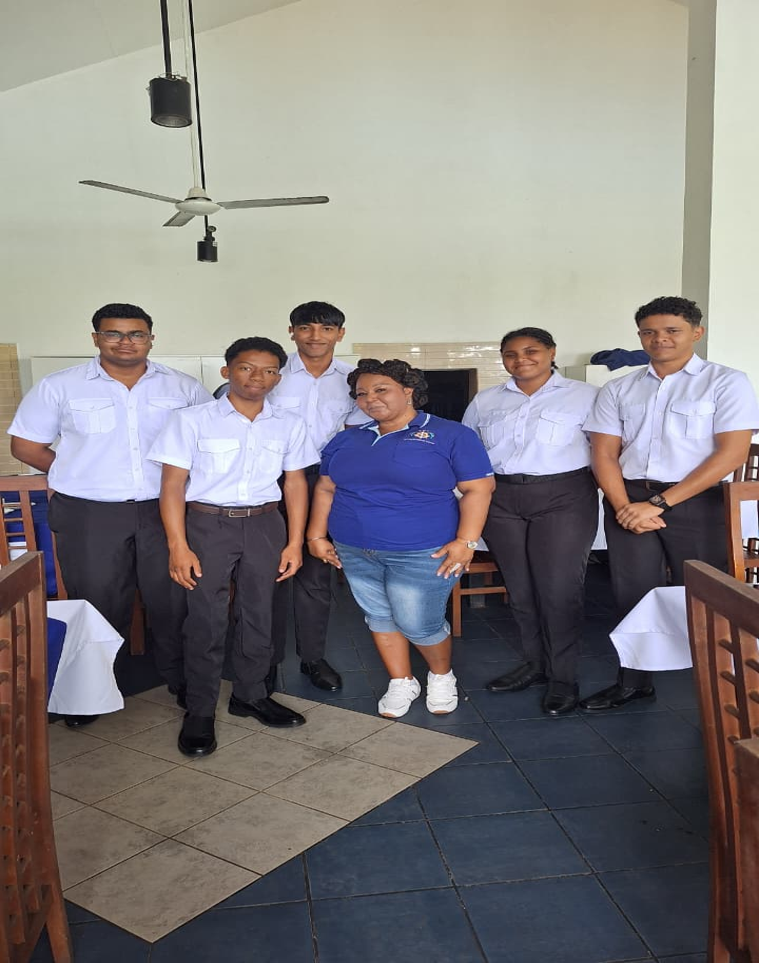
Young Seychellois Cadets